Belgian Blue Limestone is a sought-after material in the field of interior design and home improvement, known for its timeless elegance and durability. Whether you are an architect, designer, or homeowner, understanding the unique qualities of this natural stone can dramatically enhance your projects. This article will delve into the characteristics that make Belgian Blue Limestone stand out, offer expert advice on selection tailored to your needs, and provide best practices for seamless installation, ensuring your space achieves a polished and sophisticated finish.
Belgian Blue Limestone: A Timeless Choice for Design
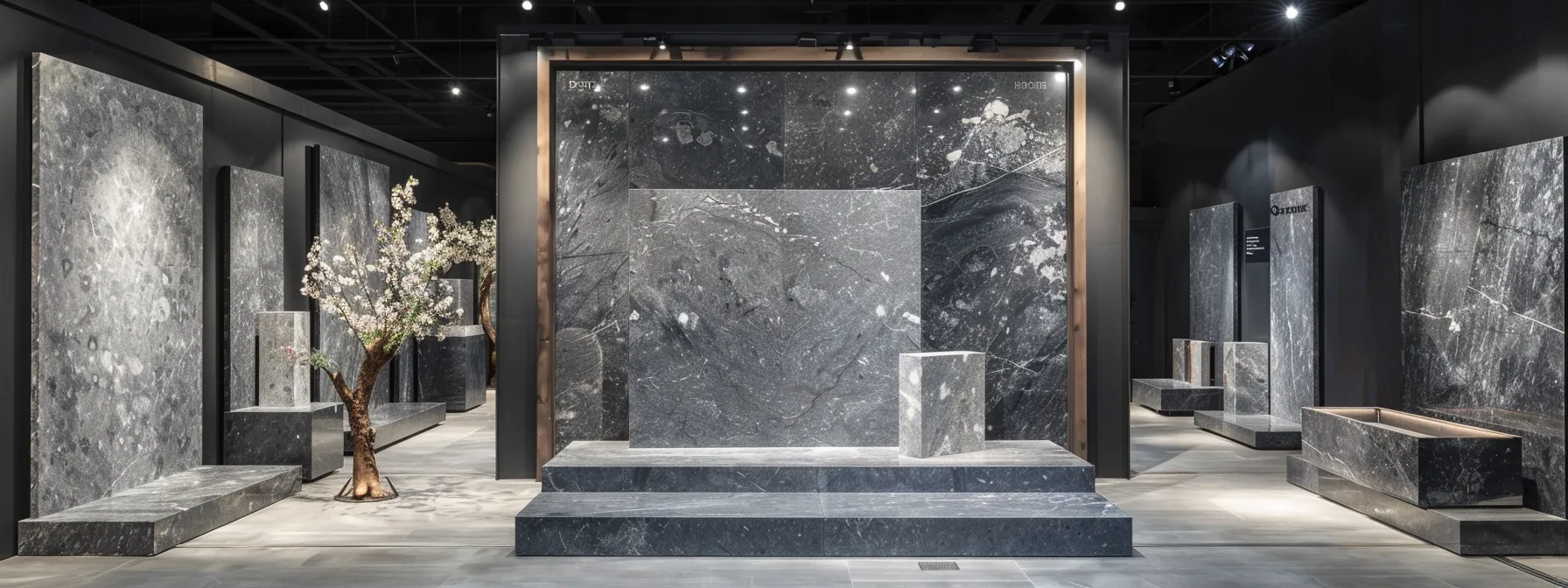
Belgian Blue Limestone, also known as Petit Granit, has been used in construction for centuries, thanks to its classic appearance and long-lasting nature. Its versatility in both interior and exterior applications makes it a favorite among designers. The stone’s subtle gray-blue hues and speckled patterns add depth to any color palette specification, making it a versatile choice for various design styles. Incorporating Belgian Blue Limestone into your interior design projects can elevate the aesthetic appeal of spaces, from flooring to countertops. Its ability to complement other materials like wood and metal allows it to seamlessly integrate into a mood board, helping designers visualize the overall look and feel of a space before the design development phase.
Moreover, its compatibility with sustainable building practices, such as achieving LEED Certification, further enhances its appeal in modern architecture. The stone’s natural composition means it contains no toxic chemicals, making it a safe and environmentally friendly option for homes and commercial spaces.
Key Characteristics of Belgian Blue Limestone
Belgian Blue Limestone is renowned for its durability, making it an ideal choice for high-traffic areas. Its resistance to wear and tear ensures longevity, even in demanding environments. The stone’s density and uniformity help minimize maintenance requirements, providing a cost-effective solution for homeowners and designers alike.
The aesthetic qualities of Belgian Blue Limestone are equally impressive. Its unique blue-gray coloration, combined with occasional fossilized inclusions, creates a natural and sophisticated look that enhances both contemporary and traditional designs. This stone is often used in hardscape elements, such as patios and walkways, due to its ability to withstand outdoor conditions.
This material is also valued for its acoustic treatment properties. In spaces where sound quality is critical, such as home theaters or music rooms, Belgian Blue Limestone can help reduce noise levels, contributing to a more pleasant and functional environment.
Expert Insights on Selecting Belgian Blue Limestone
When selecting Belgian Blue Limestone, it is crucial to consider the specific requirements of your project. First, evaluate the intended use and location. For instance, this stone is ideal for both interior and exterior applications, but different finishes might be required based on environmental exposure. Polished finishes work well indoors, while honed or textured finishes are better suited for outdoor use.
It’s important to source your stone from reputable suppliers to ensure quality. The selection process should involve reviewing samples and comparing them against your schematic design plans. This will ensure that the selected stone aligns with the overall aesthetic goals and functional requirements of your project.
Additionally, factor in the stone’s FF&E (furniture, fixtures, and equipment) compatibility. Belgian Blue Limestone can be harmonized with various styles and materials, making it a versatile choice for different design themes. To learn more about sourcing this stunning material, explore the range of Belgian Blue Limestone options available.
Best Practices for Installing Belgian Blue Limestone
Installing Belgian Blue Limestone requires careful planning and precision to achieve a flawless result. Begin with a thorough site assessment to identify any structural considerations. This is especially important for outdoor installations where proper drainage and foundation stability must be ensured.
Utilizing CAD (computer-aided design) software during the planning stages can help visualize the layout and pinpoint potential issues before installation begins. This tool assists in the accurate placement of each stone, ensuring alignment with the overall design intent.
For indoor installations, consider the integration of GFCI (ground fault circuit interrupter) outlets in areas prone to moisture, such as bathrooms and kitchens. This step is crucial for maintaining safety standards and preventing electrical hazards. During installation, attention should be paid to grout lines and sealing, which protect the stone from stains and moisture damage, preserving its beauty for years to come.
Conclusion

Belgian Blue Limestone offers a blend of beauty and resilience, making it a top choice for those seeking to enhance their spaces with timeless elegance. By understanding its key characteristics, seeking expert advice for selection, and following best practices for installation, your projects can achieve exceptional results. Embrace the sophistication and durability of Belgian Blue Limestone to elevate your design endeavors.